As the final bell rings of high school, the world outside can both feel like an open road and an overwhelming maze. Some are ready to dive into the workforce, eager to build their careers, while others are drawn to the possibilities that await them in college and higher education. Whichever path people chose the one constant is that of adulthood. However, while looking into adulthood as a new chapter to pursue big dreams, sometimes the weight of those passions and aspirations feels overwhelming.
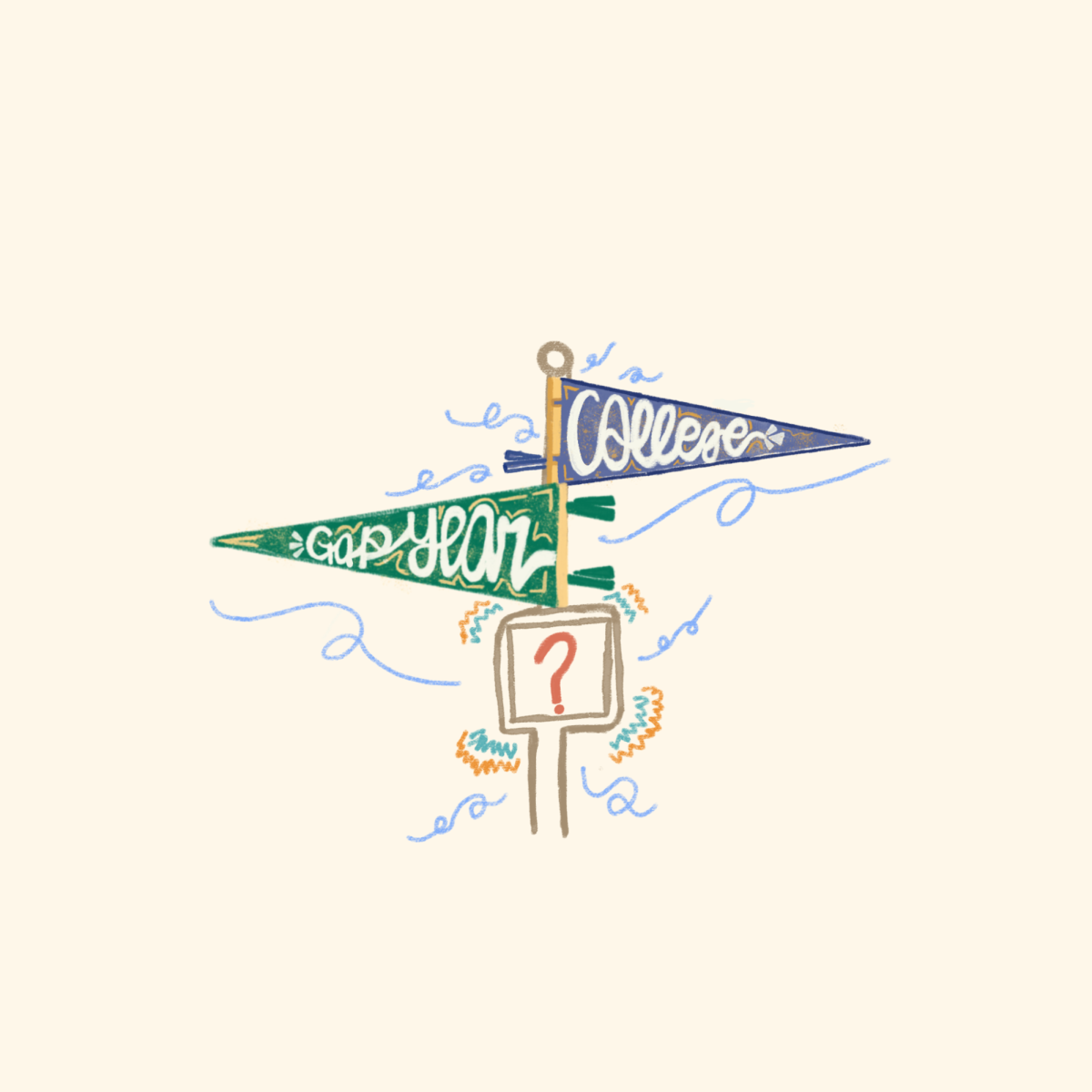
Contemplating a future path can be a journey itself, one that often unfolds slowly over time. Some graduates opt for a gap year with the goal of intentionally pausing formal study. A gap year can serve as an opportunity for the future, simplifying your eventual decision. By providing time to improve career abilities, time to learn a new skill, or to enroll in a class that interests you.
Despite the emphasis on higher education, in recent years a downward trend in this traditional path is beginning to emerge. According to a research study by The National Center for Education Statistics, in October 2024, approximately 62.8% of recent high school students enrolled in college, a figure that is slightly smaller than in previous years. But the question remains: do high schoolers still aspire to pursue higher education, or do they want to follow a different path in light of today’s realities?
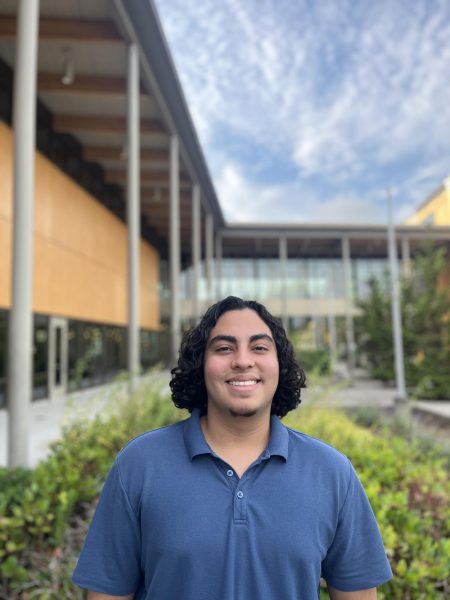
Anthony Reyes is a former Issaquah High School student. When asked about how he approached his future path, he had much to say. “When it comes to planning, it felt like a lot for me, even when choosing a job or a half-career at a technical college. But for the people that might feel the same way as I did, just take the time you need to figure out whatever you want to do.” Indeed, many feel the rush to follow the same plan as everyone else—finish high school and directly enroll in a four-year university. That is why we see people dropping out after they start their ‘path’ and end up doing jobs that they might not enjoy, which often defeats the purpose of pursuing something else.
Deciding to ‘wait or keep up’ is a mentality that is often stuck in a student’s mind. The paralyzing feeling causes loss of academic momentum and makes it difficult to adapt to a structured academic environment after a year of independence. Liliana Medina, an IHS community and student advisor, has been working with students to help choose the best options in their academic lives. According to Medina, “What many students usually do during their gap year is getting a job [..] obviously there is nothing wrong about it, it is mostly the fact that young ones tend to stop pursuing their education after the moment they see the profit of working without strong responsibilities and the flexibility they have on their free time, but I think there is another truth about it… There is pressure over what they most do after this big change.”
Today’s economy also makes it difficult to carry the responsibility of a significant financial risk of directly starting a job; there are other risks like student debts, which are one of the most significant decisions in the long-term, as well as one of the first debts young people get to face in their adulthood. A delay in the milestones of a person becomes an undeniable factor in shaping a financial future and major life decisions. Understanding those effects and managing them strategically can help you take control of your future. When dealing with crossroads of life, such as political discomfort and an unknown future, it makes it reasonable to avoid uncertain decisions.
Achieving clarity is understanding the desired outcome, and when individuals experience burnout, this leads to the famous stereotype of a ‘college dropout,’ choosing a degree not suited for them, or defining values, and choosing careers never felt so important now. There are fundamental truths that will shape your future decisions that you are looking for, that will support you in building a strong knowledge of yourself. Developing a solid understanding of oneself is fundamental. The personal importance lies primarily in the ability to cultivate independence and resilience. Finding the right environment that could encourage one to step outside their comfort zone, and interact with diverse perspectives, accelerating self-discovery and maturity. Consequently, a gap year or university is not just about obtaining a diploma or taking a year off, but rather about developing resilience, a vision for the future, and the judgment necessary to face life’s challenges after graduation.
Ultimately, the debate of whether gap years are effective or not does not rely on the break itself or the outcomes that come with it, but on how it is planned and executed. The big benefit from this is the pursue of purpose and a resilient mindset that someone can build to overcome situations that are being faced and the biggest risk is based only on the academic performance that it can be lost over time, meanwhile a gap year is not necessarily a year lost but a great opportunity to grow based on the direction you are especially aiming to achieve. The decision is not to take a break, but whether to use the time to grow deliberately, as the famous poet Oscar Wilde once said, “Be yourself; everyone else is already taken.”