Over recent years, school districts have made it a priority to provide resources and support for students who are part of the LGBTQ+ community. School districts across the country have varied approaches to creating policies, educating teachers, and protecting students’ right to self-expression. Even with disagreements and differences in policies, they all work towards a common goal: making school an inclusive space for all students. The Issaquah School District “is dedicated to creating a safe, inclusive, and affirming environment where all members of our school community, including those who identify as LGBTQIA+, can thrive.” This declaration is scrutinized through conversations among students and teachers to identify steps that IHS have taken to champion the protection of LGBTQ+ students and where part of the community’s history has slipped through the cracks.
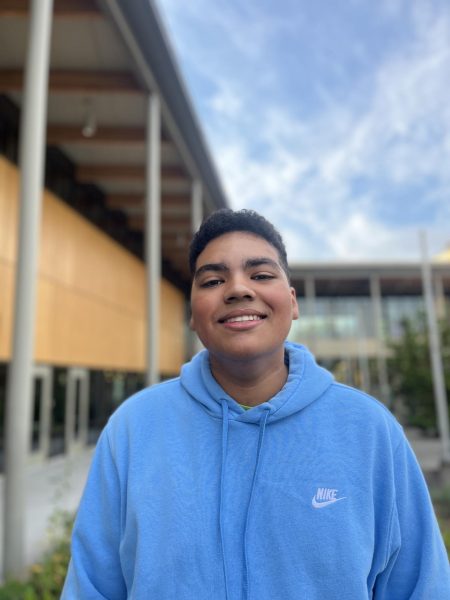
Students have been inspired to create and participate in clubs where they can learn, share, and collaborate within intersecting interests and ideas. The LGBTQ+ club is just like that: it is a space for anyone who identifies as LGBTQ+ or is an ally. This club is an opportunity to meet LGBTQ+ students at IHS and connect with them on a personal level. President of the LGBTQ+ club, senior Delany Cash, stated, “It’s a place to hang out with people who are similar to me […] people who have gone through similar experiences.” Delany started this club because she hoped to make an inclusive space specifically for the LGBTQ+ community at IHS. The meetings typically include icebreakers, conversations about each person’s day, and serious discussion about the issues at the school and in the world that the community cares about. Offering a safe space for people to be understood outside of their home, fostering growth and a support network for a community that has been historically marginalized.
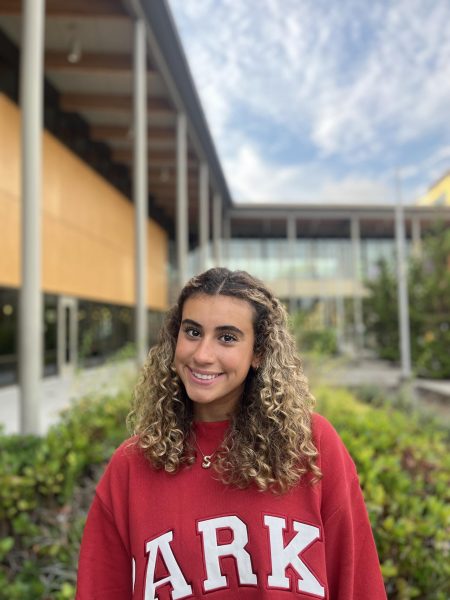
Despite the support network that exists in IHS, there are still parts of the community’s history that go unnoticed by people outside the community. LGBTQ+ club’s vice president, senior Annalise Starkey, felt there could be more lessons within social studies classes or built into public education that shed light on events like Stonewall that are crucial to understanding the fight for gay rights and fostering empathy for the community. Stonewall was a series of demonstrations by the LGBTQ+ community in reaction to a police raid on June 28, 1969, at the Stonewall Inn in Greenwich Village, New York City, a popular gay bar. At this time, cross-dressing was illegal, and same-sex relationships were shamed and not recognized by the law. Stonewall marks a turning point that galvanized the LGBTQ+ civil rights movement, leading to increased activism and the first Pride marches. This was a key event in the movement for equal rights for all genders.
Starkey notes that to improve as a civil society, we must learn from tough moments in history. The integration of LGBTQ+ history into education is something both Cash and Starkey feel could be the next step to combating homophobia on a systemic level. Cash adds that on a day-to-day basis, “the sub plans the teachers give could probably be more inclusive. Some teachers struggle with noting when students want to go by another name.” While both of these students have mentioned that IHS is a pretty welcoming environment, there are always places to grow as a community.
Advocacy for LGBTQ+ members has always sustained itself; students and others alike have worked, fighting for what they believe in: a safer and more inclusive environment and equity for everyone. IHS counselor Nadine Leach said, “I think a lot of people get hung up on the word ‘equal.’ I think ‘equity’ is a better word to use because kids from different backgrounds need different things.” She noted that she would not treat every student the same, because every student is fundamentally different. Each individual that she meets with requires a different set of tools, and to learn effectively, what works for one student may not work for another. She stresses that she aims for equitable treatment rather than equal treatment, giving every student she meets with the type of support that will lead the individual to success.
She notes that striking that balance is particularly difficult but crucial for teachers as they “see their students every day and are responsible for making sure that the environment feels safe and inclusive, but it can be hard because people are so different.” Both counselors and teachers are required to work with a variety of different kids from different backgrounds. Leach added, “It doesn’t matter to me if I align with their views or not; my job is to make them feel seen and make them feel heard.” She notes that it is not always easy, as there is a generational difference in the way adults and students experience and see the world. Still, teachers and counselors do their best to understand what students are going through and strive to work with students to navigate any hardship they face.
Another issue upon ensuring equity among LGBTQ+ also lies within the hands of the student and what they want: “We can’t force kids to take advantage of the resources that are available,” Leach said. She clarifies the common misconception about counselors’ jobs. “Students come and think we change schedules, and that’s all we do. When really, we have all kinds of resources and provide all kinds of services. […] and teachers reach out to us when a student is really struggling and ask us to meet with them. No matter who it is, you have people in your life that love you and take care of you, and if you don’t, there are resources here […] I care about all of my students; I wouldn’t be doing this if I wasn’t, and I can speak for all the other counselors who stay here for the same reason.”
As a community, LGBTQ+ has fought for inclusivity and will continue to do so until these standards are met, especially from a student’s perspective. It can be hard, but this community can overcome them: “Be loud, make yourself heard, speak up when you see something that doesn’t seem or feel right, and stay informed.” Leach said as words of encouragement.
While both students and teachers have made meaningful strides to ensure that IHS’s campus is an inclusive environment for all, no matter their background, the fight for equity is far from over. Clubs like the LGBTQ+ club offer vital spaces for connection and safety, while counselors and teachers work to balance equity, empathy, and the diverse needs of students. At the same time, there are still cracks to mend, from everyday practices like remembering to note students’ preferred name in the note to the substitute to the lack of visibility of LGBTQ+ history in social studies. Inclusion is not just a policy but the ability of students, teachers, and administrators to listen to each other and build a space where every person feels seen, heard, and supported.